
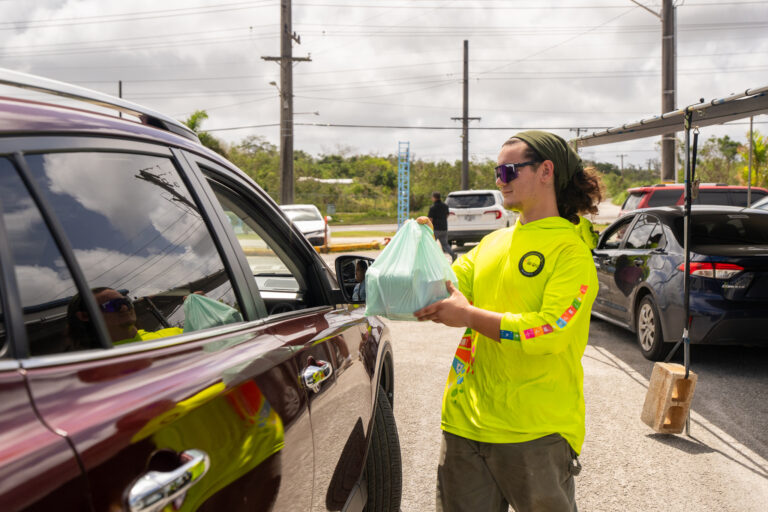
Every September, Guam highlights environmental stewardship, cultural preservation, and green innovation during Sustainable September. This month-long movement connects island community action to the 17 United Nations Sustainable Development Goals (SDGs) as the world works toward the 2030 global benchmark.
At the core of this effort are the University of Guam Center for Island Sustainability and Sea Grant (UOG CIS & Sea Grant), Guam Green Growth (G3) initiative, and Guam NSF EPSCoR programs. Together, their initiatives turn ambitious global goals into practical local solutions that reflect and include the diverse, multicultural communities that call Guam home. Here are just some of their efforts:
- Reforestation and Watershed Restoration
- SDGs Addressed: SDG 14 (Life Below Water) & SDG 15 (Life on Land)
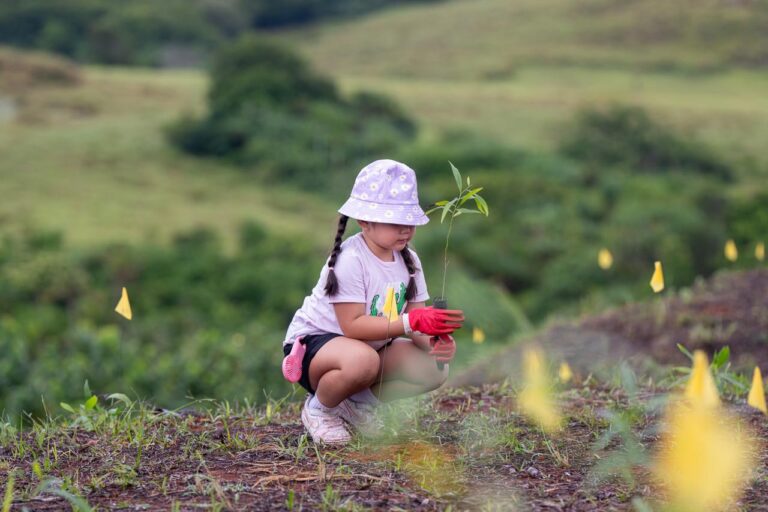
- The Guam Restoration of Watersheds (GROW) initiative brings together community volunteers, including youth groups, families, military members, and cultural organizations, to plant trees in the Ugum watershed area to stop badland soil erosion from running off into the ocean and smothering coral reefs.
- Exploring Ocean Energy
- SDGs Addressed: SDG 7 (Affordable & Clean Energy) & SDG 13 (Climate Action)
- Researches community perceptions and readiness around ocean energy across Guam’s diverse villages and demographic groups, exploring wave, tidal, and ocean thermal energy conversion (OTEC) as viable, renewable energy sources to power a clean energy transition into the future.
- Reversing Brain Drain
- SDGs Addressed: SDG 4 (Quality Education), SDG 8 (Decent Work & Economic Growth), & SDG 10 (Reduced Inequalities)
- Supported by the National Science Foundation, Navigating Home brings local STEM graduates from diverse backgrounds back to Guam with funded positions, keeping homegrown expertise on-island to solve local environmental challenges.
- Developing a Green Workforce
- SDGs Addressed: SDG 8 (Decent Work & Economic Growth), SDG 10 (Reduced Inequalities), & SDG 13 (Climate Action)
- The G3 Conservation Corps programs recruit an inclusive cross-section of Guam’s population—providing equitable pathways for local youth, underrepresented groups, and career changers—through hands-on training that includes watershed planting, community gardening, island cleanups, and invasive species management.
- Fueling the Green Economy
- SDGs Addressed: SDG 8 (Decent Work & Economic Growth), SDG 9 (Industry, Innovation, & Infrastructure), & SDG 12 (Responsible Consumption & Production)
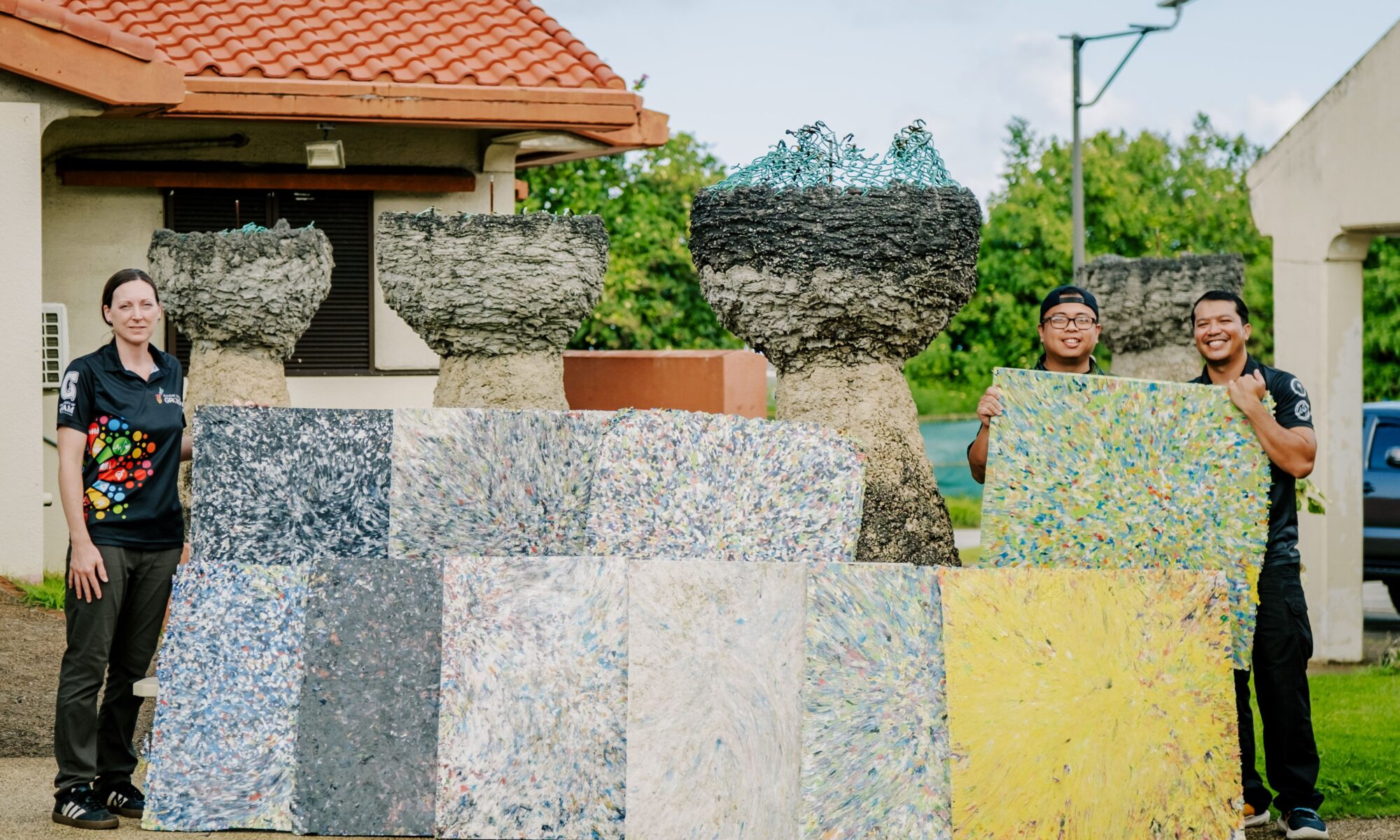
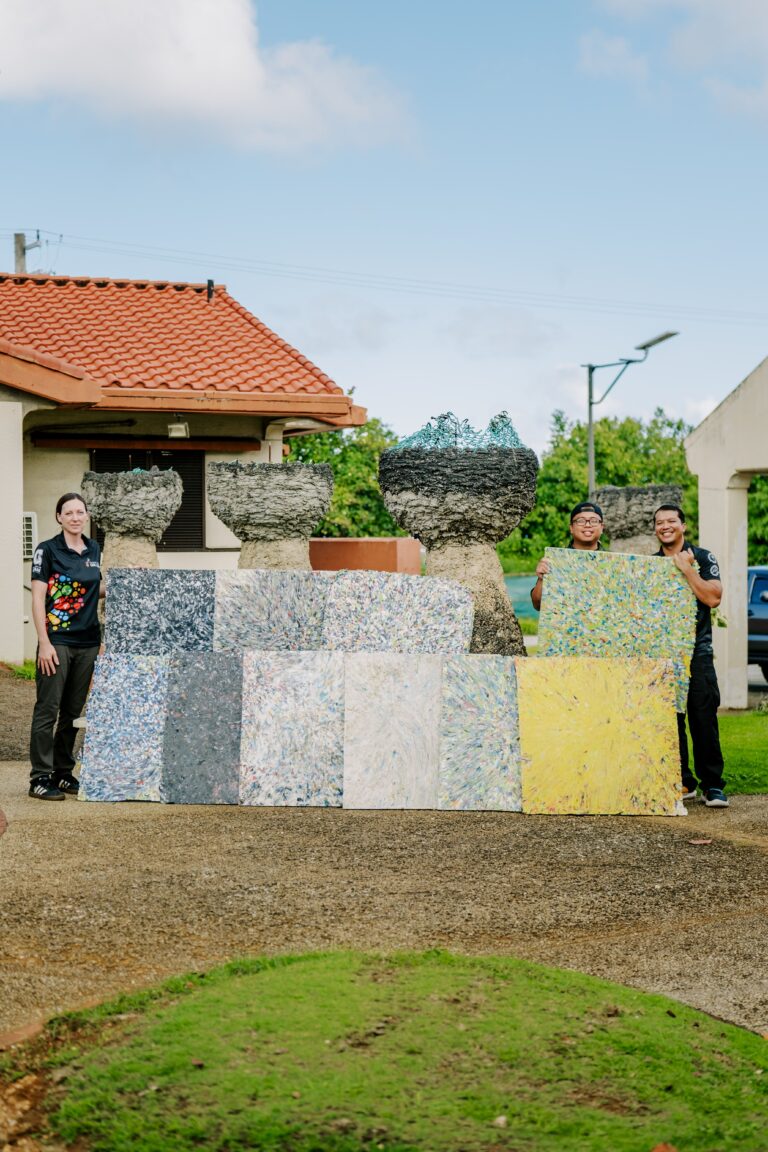
- The G3 Makerspace and Innovation Hub hosts workshops for micro-business owners, artisans, and makers across Guam, using 3D printers, shredders, and other tools to upcycle waste into products, including turning waste plastics into refurbished desks.
- Advancing Local Science
- SDGs Addressed: SDG 9 (Industry, Innovation, & Infrastructure) & SDG 14 (Life Below Water)
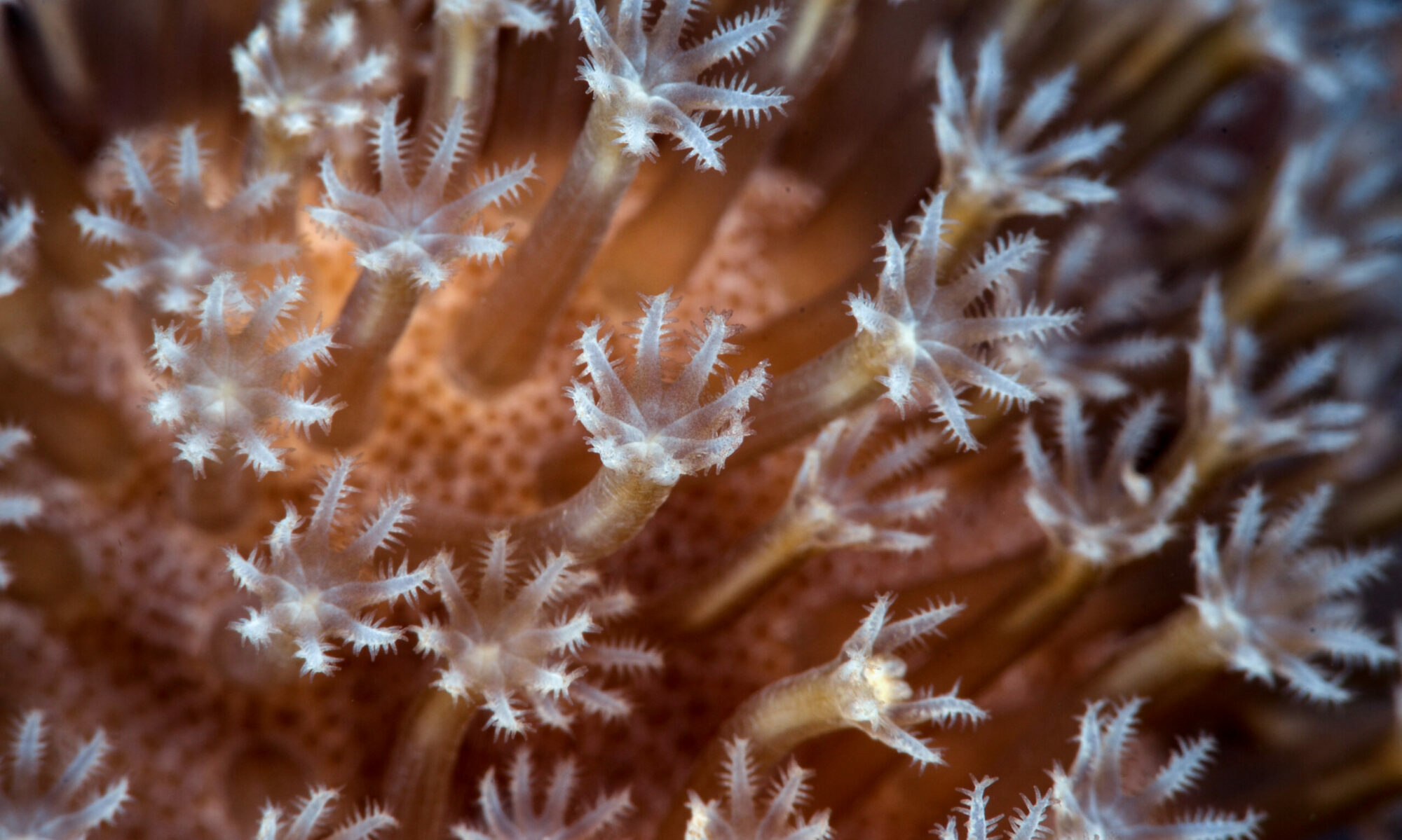
- The Guam NSF EPSCoR E-RISE and E-CORE programs engage student researchers and faculty to conduct critical scientific research on coral reef resilience, sustainable construction materials, and other STEM areas that could inform conservation policies and programs.
- Protecting Reef Fisheries
- SDGs Addressed: SDG 2 (Zero Hunger) & SDG 14 (Life Below Water)
- Guihan for Guåhan pairs traditional CHamoru knowledge and local fishing traditions with marine science, engaging fishers from across Guam’s coastal communities to track fish populations and support sustainable fishing practices.
- Strengthening Island Food Systems
- SDGs Addressed: SDG 2 (Zero Hunger), SDG 11 (Sustainable Cities & Communities), & SDG 17 (Partnerships for the Goals)
- UOG CIS & Sea Grant’s aquaculture program promotes Community Backyard Aquaponics Systems (CBAS) across island neighborhoods, helping households, community centers, and non-profits grow fresh tilapia and organic vegetables at home to strengthen island-wide food security. They also partner with local non-profits like Guåhan Sustainable Culture (GSC) to boost food sovereignty. These collaborations help families and neighborhoods across Guam grow fresh produce and fish locally.
Sustainable September proves that every action counts, whether planting a tree, exploring clean energy sources, or keeping island talent home. By empowering every community that makes Guam home, small islands can make a big global impact.