
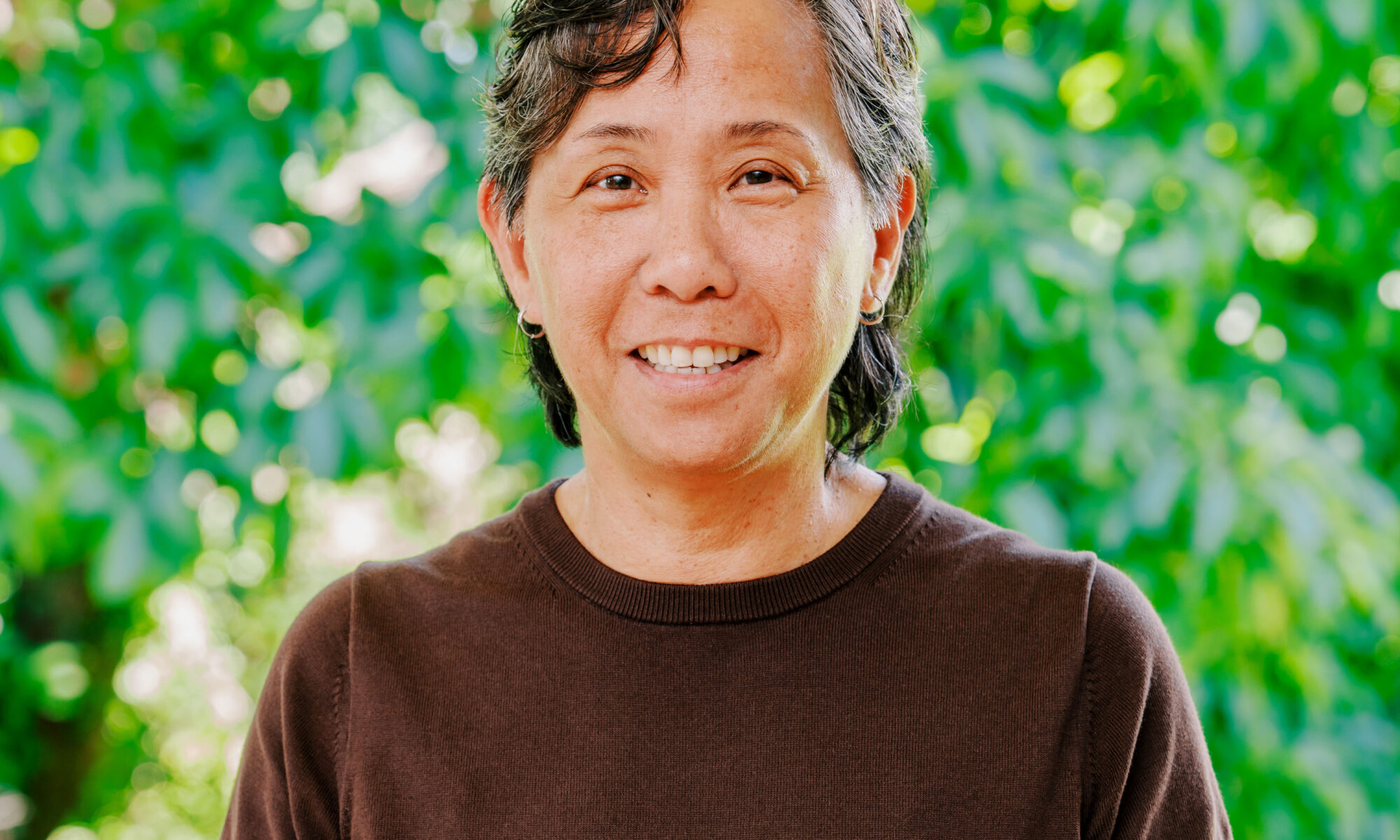
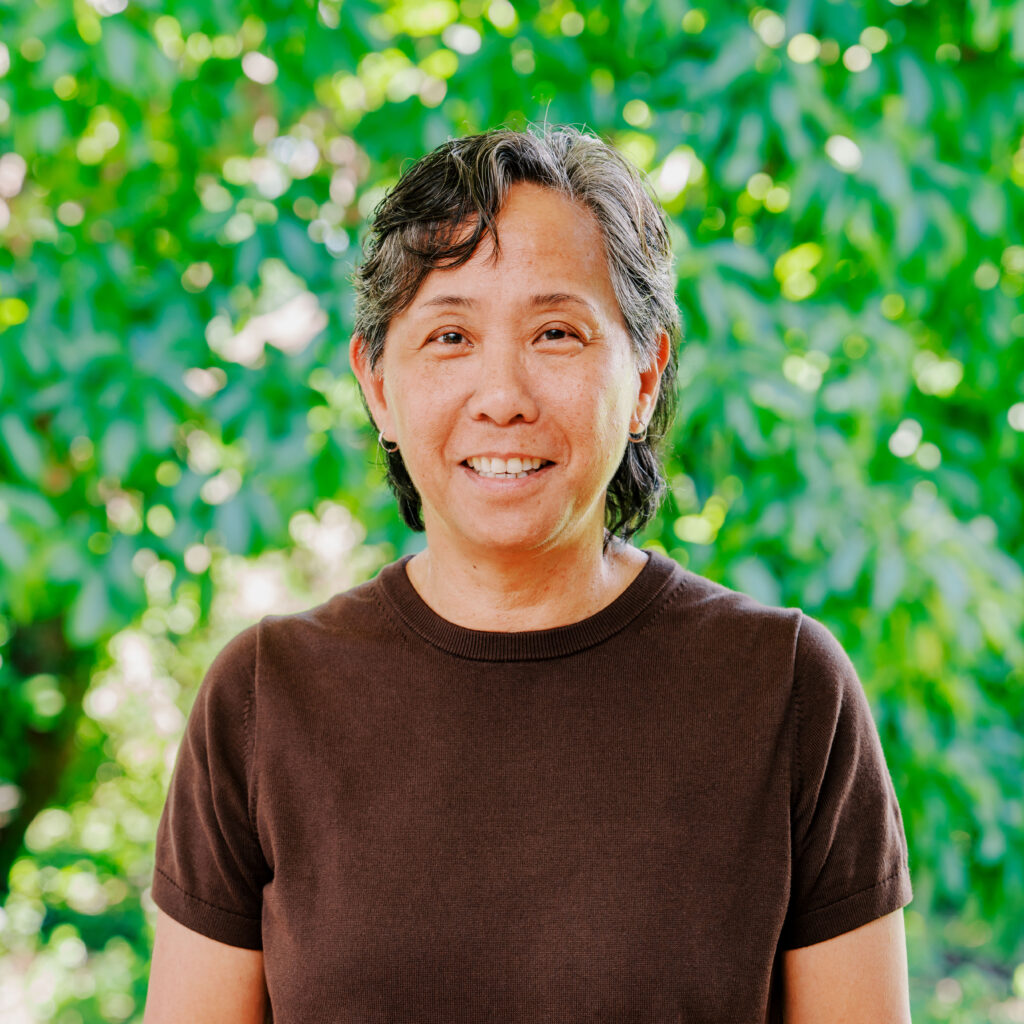
“I’m not going to lie, for me, this is a ‘lifetime achievement award.’” That is how Cheryl Sangueza, Ph.D., describes being named a 2026 SACNAS Distinguished Mentor.
The Society for the Advancement of Chicanos/Hispanics and Native Americans in Science (SACNAS) is recognizing Sangueza, one of Guam’s own, for a sustained, long-term record of mentorship in STEM, the standard the Distinguished Mentor Award is built on. She will receive the award during the conference general session.
Sangueza is a professor in the University of Guam School of Education, co-principal investigator on Navigating Home, and part of the NSF EPSCoR E-Core, where she oversees SACNAS participant programs for Guam. A proud graduate of the Guam Public School System and the University of Guam, and an Air Force veteran, she earned her Ph.D. from the University of Nevada, Las Vegas. Before that, she spent 14 years teaching secondary mathematics and science to a richly diverse student community, including learners from East Harlem, New York, and learners in Washington who were navigating the juvenile justice system and pursuing recovery. She wrapped up her public-school teaching career in the Guam Department of Defense Education Activity school system.
Today, Sangueza brings 28 years of teaching experience, trusted partnerships with the Guam Department of Education, and a decade of leadership in the Alfred P. Sloan and NSF EPSCoR, Navigating Home, and INCLUDES SEAS Islands Alliance (with the U.S. Virgin Islands and Puerto Rico) initiatives.
We sat down with Sangueza to learn about the person behind the award.
Q1: Roots and Inspiration
We want to highlight the person behind the award. Could you tell us a bit about your background: where you grew up, how you describe yourself, and what key experiences in your life journey inspired you to become the mentor you are today?
I would also say I highly value humor and creating genuine connections when working with and for others.
Some people equate “mentoring” with “coddling” or “babying,” but it is not. Mentoring is knowing the blended borders of the comfort zone and the learning zone, knowing that the learning zone is uncomfortable for many learners and it takes vulnerability and courage. Mentors know how to support mentees through the learning zone and help learners see themselves beyond what they may have imagined.
This recognition is so much bigger than me; it’s also for the hard work, brilliance, and resilience of our students here on Guam. I wouldn’t be here without the students. They are the ones who need to show up and do the hard work, and we are proud we get to see them evolve!
This recognition also belongs to my mentors and the collective effort of my colleagues, grant teams, and the faculty mentors I work with! I am so lucky to have my UOG and grant team colleagues who support our endeavors, my mentors who challenge and cheer me, and the amazing grant faculty mentors who are just as dedicated and invested in our students.
What I hope students take away from this award: 1] that they know and feel they are appreciated and valued; 2] that their voices and perspectives are essential in local, regional, and global science research. 3] that as near peer mentors, they have the power to elevate others and continue to build our presence in STEM.
Q4: Institutional Impact
Part of your leadership involves shaping how faculty approach mentorship. What core lessons or practices do you hope other educators and mentors take from your work?
That the investment is worth it. It takes care, work, and time, and the results far outweigh the struggles and time commitment mentors experience. Another takeaway is that mentees will exceed your expectations in a safe, supportive environment.
And lastly, we as mentors also learn so much from our mentees. Having a reciprocal mentor-mentee relationship elevates the learning experience for all parties.
A record Guam delegation at 2026 SACNAS NDiSTEM
Since 1997, the Society has honored over 140 scientists, educators, and program directors through its award program. This year’s awardees were nominated by those impacted by their work, selected by a committee of their peers, and recognized for exceptional dedication to excellence in STEM, research, and mentoring.
This year, SACNAS added postdoctoral and graduate students to the award categories, recognizing all who exemplify the organization’s work to advance STEM for all communities.
This year’s Guam delegation is the largest on record, with 68 participants, up from 27 in 2025. Thirty-eight are students, including those funded through Guam NSF EPSCoR, Navigating Home, NSF INCLUDES SEAS Alliance, Alfred P. Sloan Foundation, NextGen COMPASS, and BES-RENEW.