Guam NSF EPSCoR’s Collaborations for Optimizing Research Ecosystems (ECORE) project is inviting proposals for its 2026–2027 Seed Funding Grant, offering $50,000 awards to support innovative, hypothesis-driven research across the island.
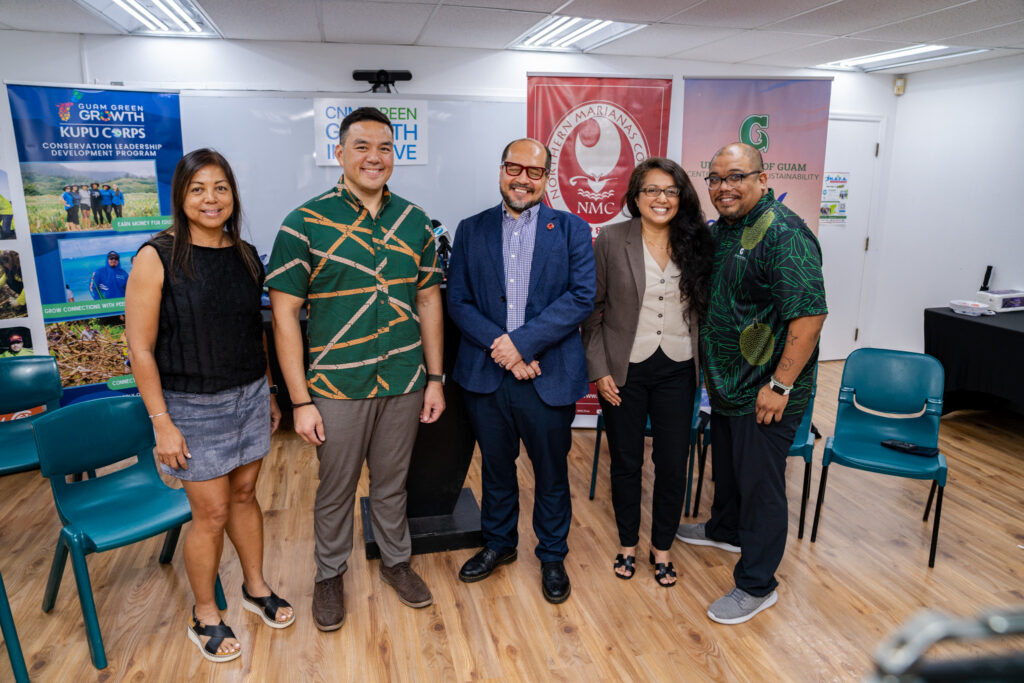
The University of Guam (UOG) has announced an extension of the 17th University of Guam Conference on Island Sustainability (CIS2026), expanding the event through April 26 with the addition of two days of programming in Saipan, further strengthening its partnership with Northern Marianas College (NMC).
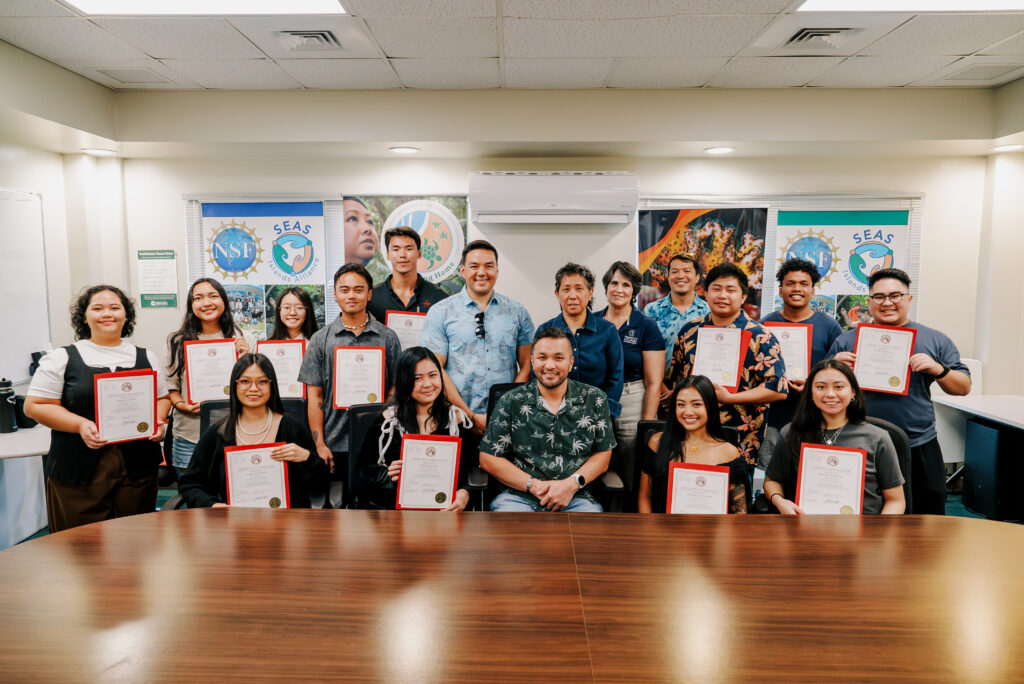
The 17 University of Guam students who attended the Society for Advancement of Chicanos/Hispanics and Native Americans in Science (SACNAS) National Diversity in STEM (NDiSTEM) Conference received formal recognition from the Guam Legislature for representing the island at the national event.
The University of Guam’s commitment to sustainability and student opportunity was on full display during the recent UOG New Student Orientation event organized by the UOG’s student services team, where a coalition of campus programs came together to present a unified, student-focused welcome.
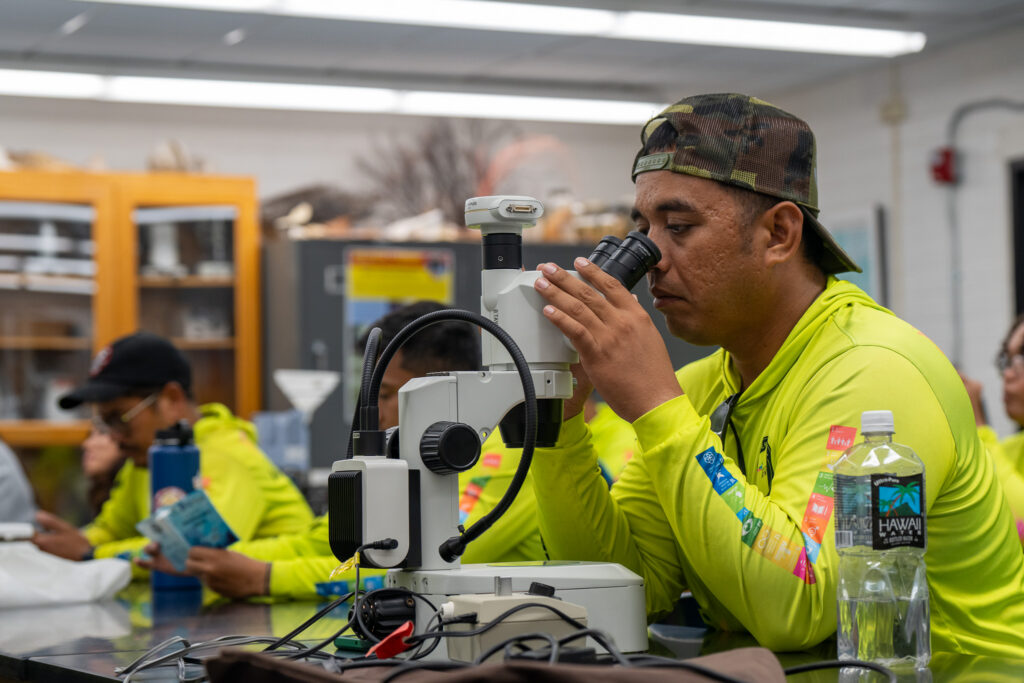
The University of Guam Center for Island Sustainability and Sea Grant (UOG CIS & Sea Grant) are happy to announce that applications are now open for the sixth season of the Guam Green Growth Conservation Corps (G3CC), continuing their robust workforce development plan that has graduated nearly 100 local workers who have developed skills for the emerging green economy.