
Category: All

The University of Guam (UOG) has exciting summer research opportunities for undergraduate and graduate students passionate about mathematics through two distinct programs supported by the National Science Foundation Established Program to Stimulate Competitive Research (Guam NSF EPSCoR). Applications are now being accepted for both the Summer Math Research Assistant and
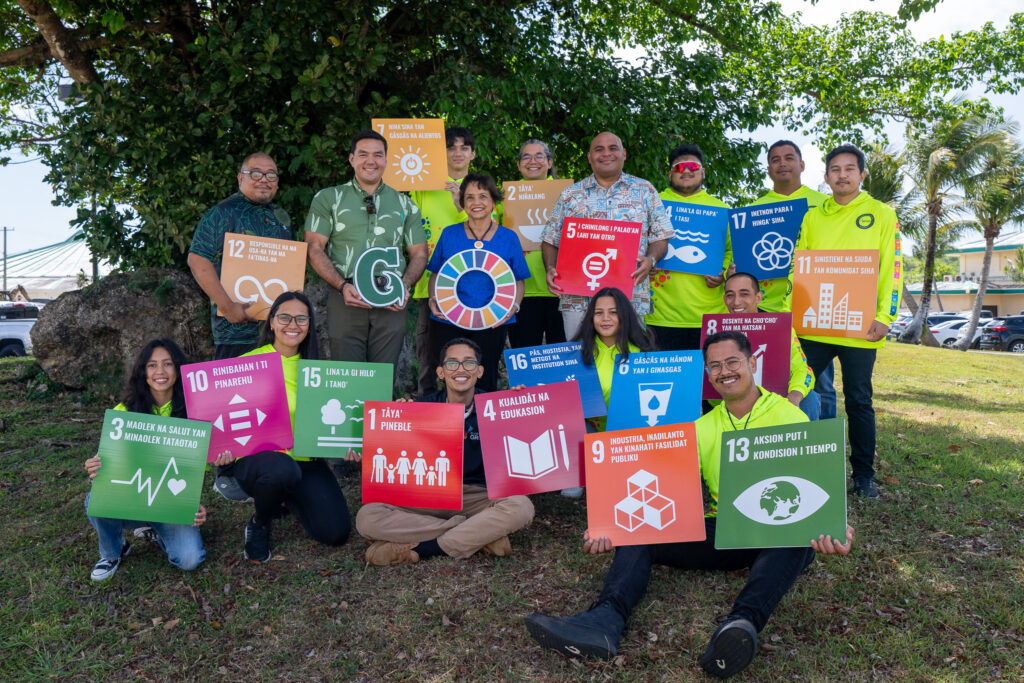
The University of Guam (UOG) has announced 12 new participants for the Guam Green Growth (G3) Kupu Conservation Corps, marking its expansion into a six-month program that offers enhanced training and benefits.

For every dollar invested in the Guam Green Growth (G3) Conservation Corps at the University of Guam, the island receives more than three times that amount in economic and social value, according to the partial results of an economic valuation of the G3 initiative. Christian Valencia, an economist, revealed a

The University of Guam facilitated a historic moment for green economic growth and sustainable development when the Republic of the Marshall Islands (RMI) embraced the Green Growth movement and committed to full renewable energy during the 16th UOG Conference on Island Sustainability.
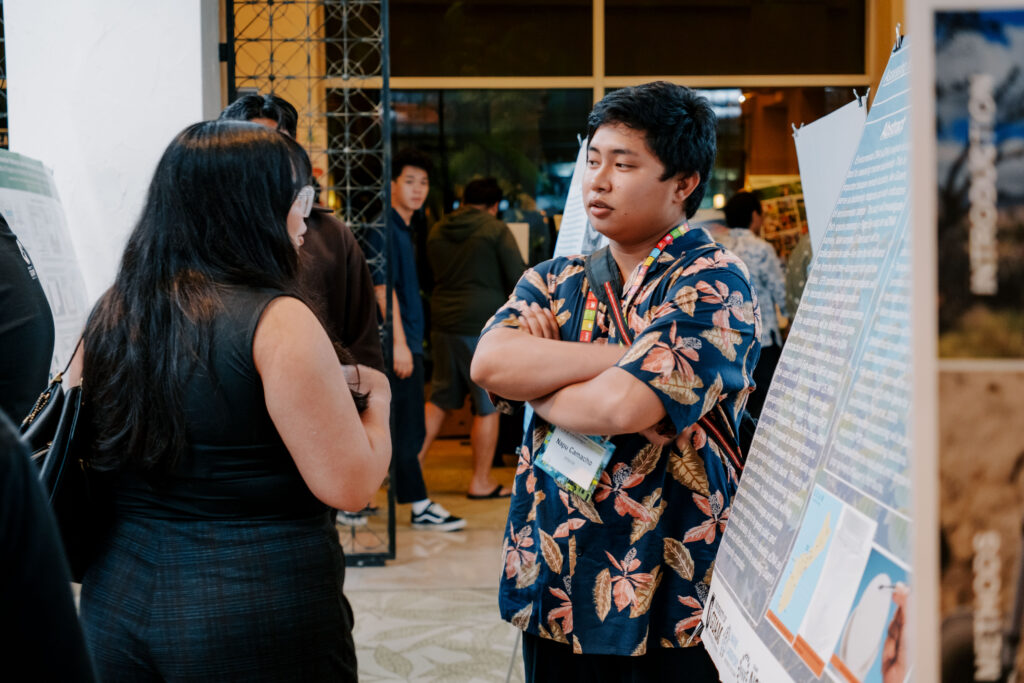
From undergraduate students to faculty members, researchers from the University of Guam NSF EPSCoR program showcased their recent and ongoing projects at the 16th University of Guam Conference on Island Sustainability (CIS2025).
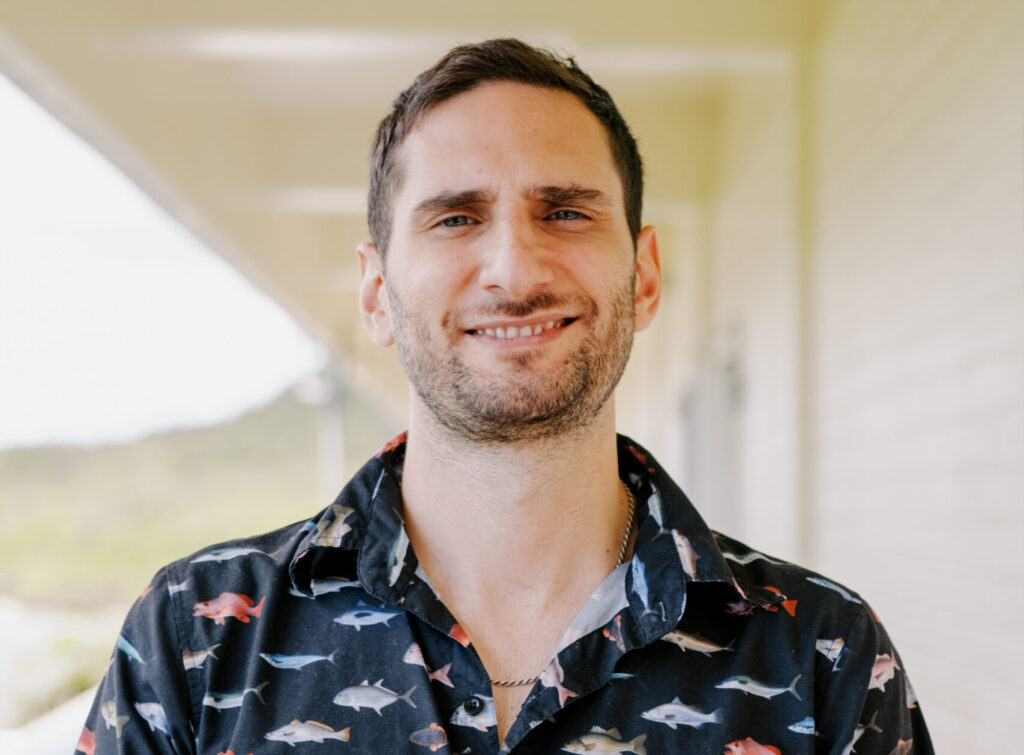
Born and raised in Greece by the Mediterranean Sea, Michalis Mihalitsis, Ph.D., gained an interest in fish as a child, fishing with his family and keeping aquariums in his home. He went on to study marine biology and earned his Ph.D. at James Cook University, studying the ecology of predatory