
Category: All
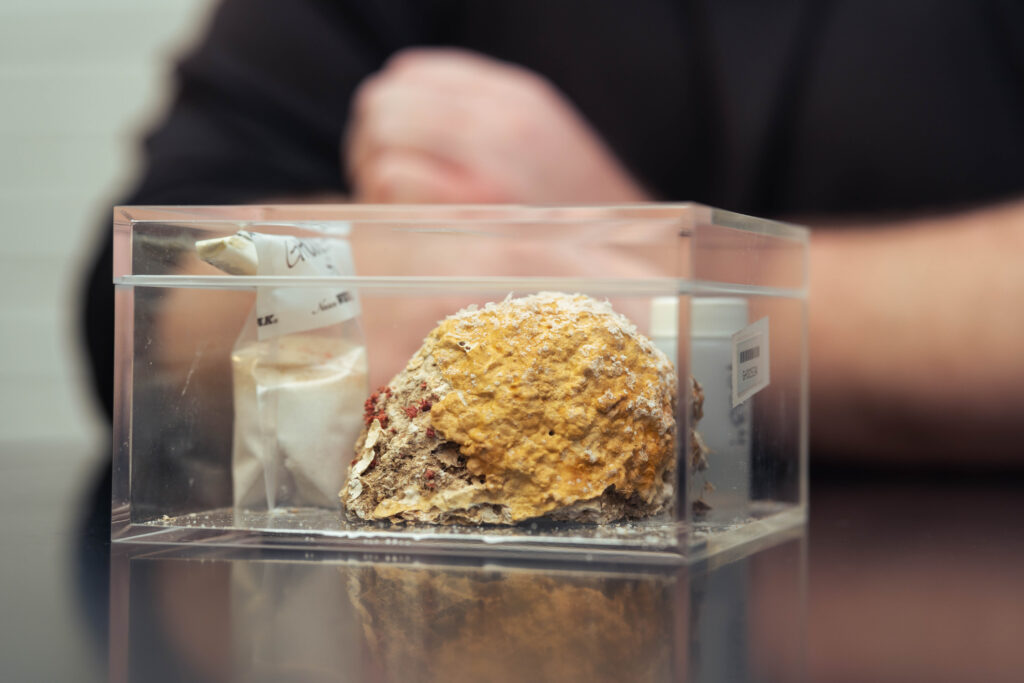
Ramicrusta adjoulanensis was named after Adjoulan Point, which is located at the mouth of Talo’fo’fo Bay. Tom Schils is a professor at the UOG Marine Laboratory whose research interests focus on the unique biodiversity and ecology of tropical seaweeds in the Mariana Islands. Matthew Mills is a research associate at

Previous Next Five undergraduate NSF INCLUDES: SEAS Islands Alliance research fellows from the University of Guam joined over 1,300 scientists and researchers from all over the world at the Coastal and Estuarine Research Federation (CERF) 2021 Conference which was held virtually from Nov. 1 – 4 and 8 – 11,
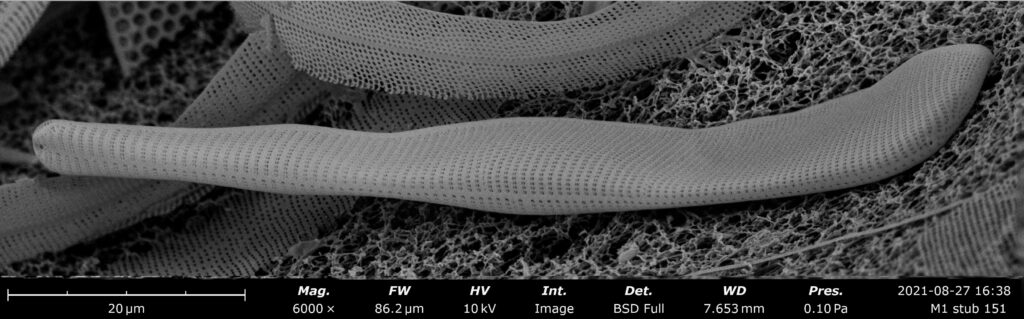
Christopher Lobban, a University of Guam professor emeritus of biology, has discovered a new species of diatom from the Marshall Islands. The screen of the SEM shows the tilted view of the new species. The new species of diatom, Licmophora complanata, was named for its flattened cell wall. According to
Jeffrey Centino, research computing facilitator at EPSCoR -GECCO says the Open Science Grid will improve the program’s computational and data analysis capabilities. As research opportunities continue to expand for the University of Guam EPSCoR- Guam Ecosystems Collaboratorium for Corals and Oceans (GECCO) program, so does the need to improve its cyberinfrastructure to keep up with the additional

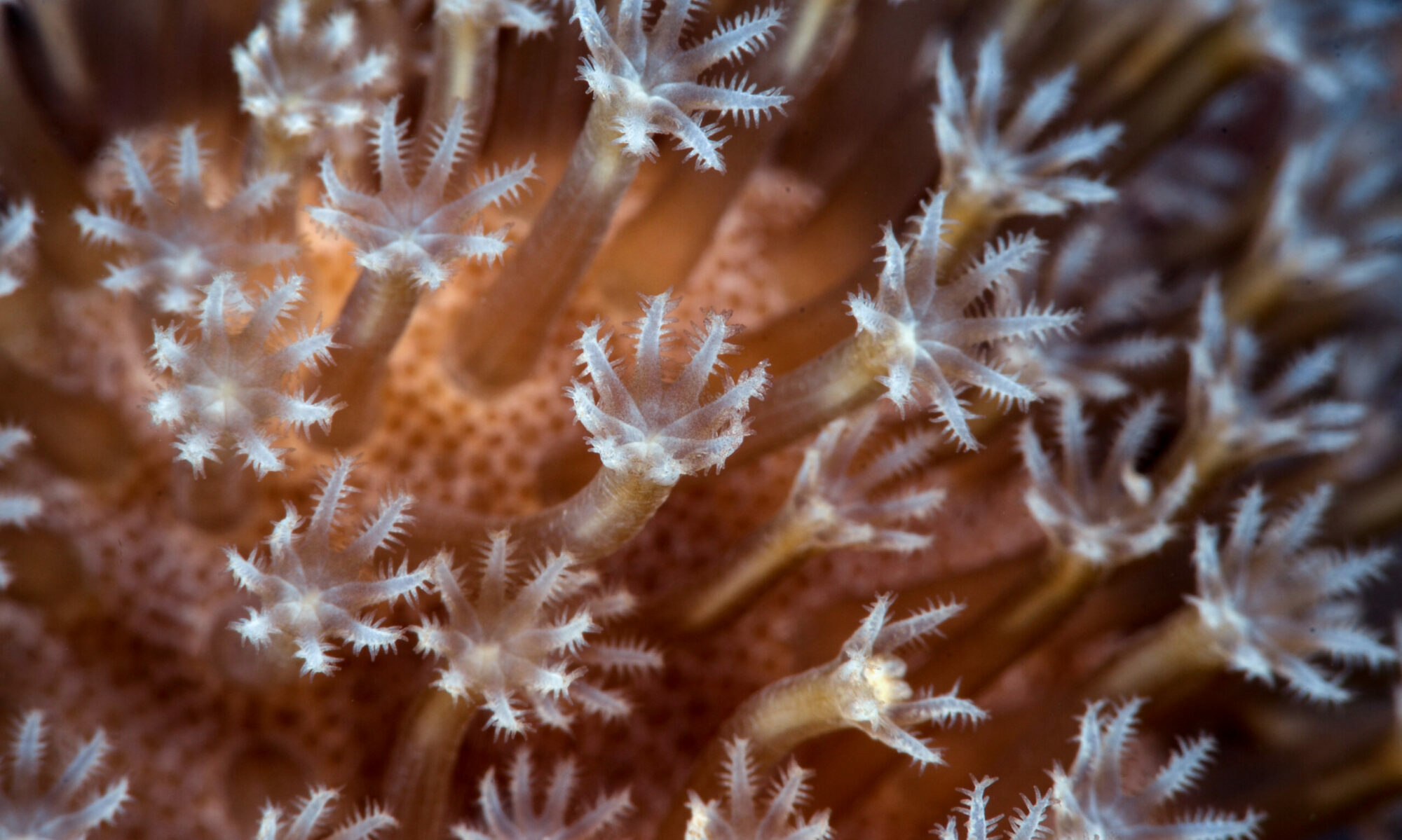
UOG alumnus Jordan Gault wrote “Lineage-specific variation in the evolutionary stability of coral photosymbiosis,” which was published in September 2021 by the journal Science Advances. A study by University of Guam researchers has examined the evolutionary stability of photosymbiosis in scleractinian corals. The study, which was funded by the university’s National