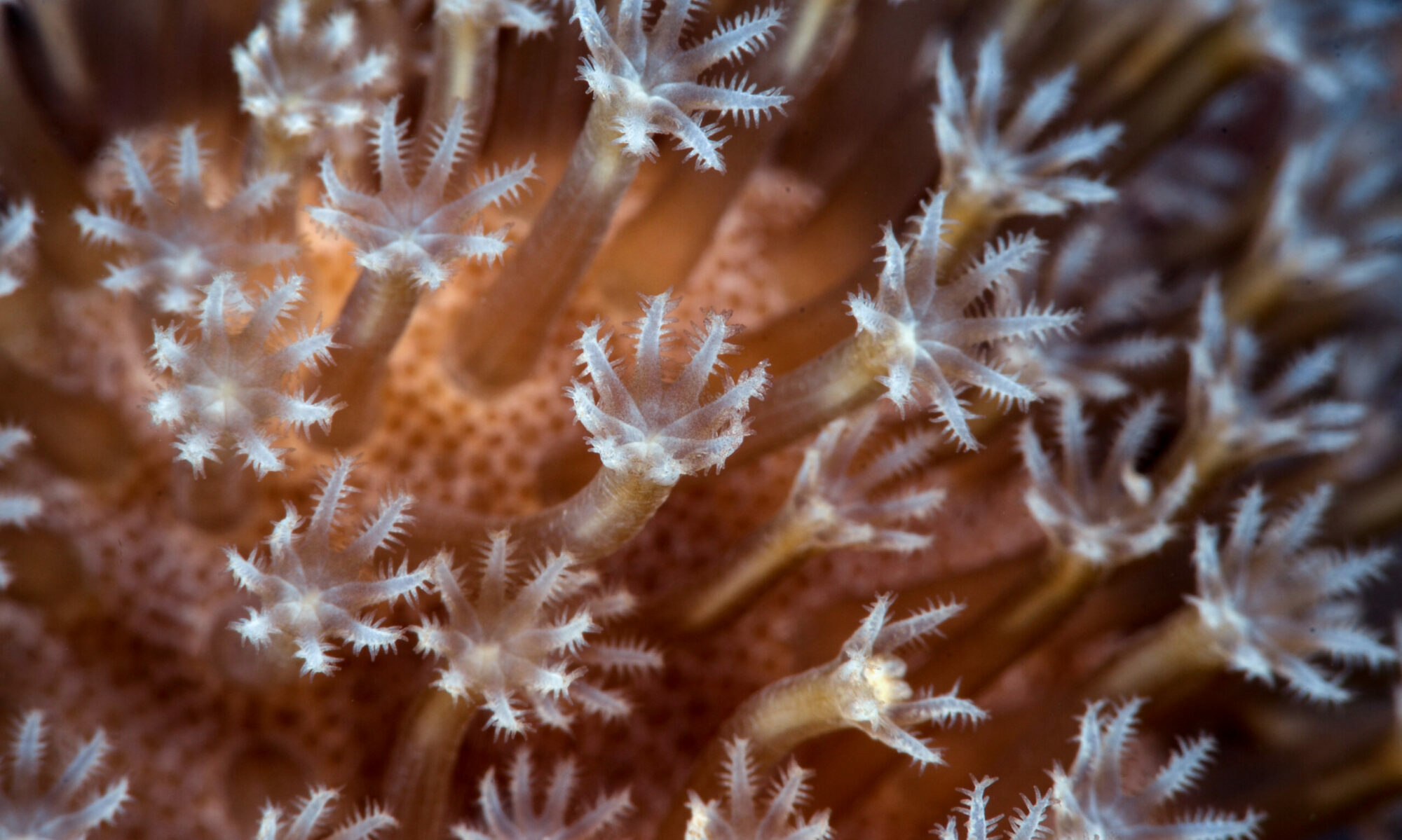

Category: Research
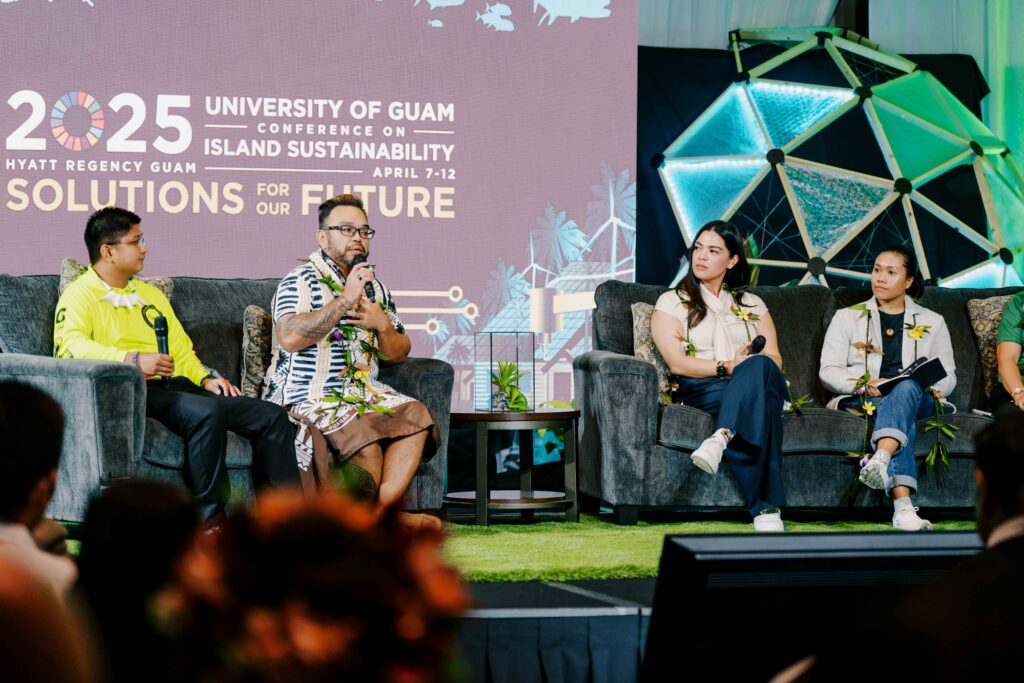
The University of Guam is now accepting presentation proposals for its 17th Conference on Island Sustainability, scheduled to take place April 20-24, 2026, at the Hyatt Regency Guam.
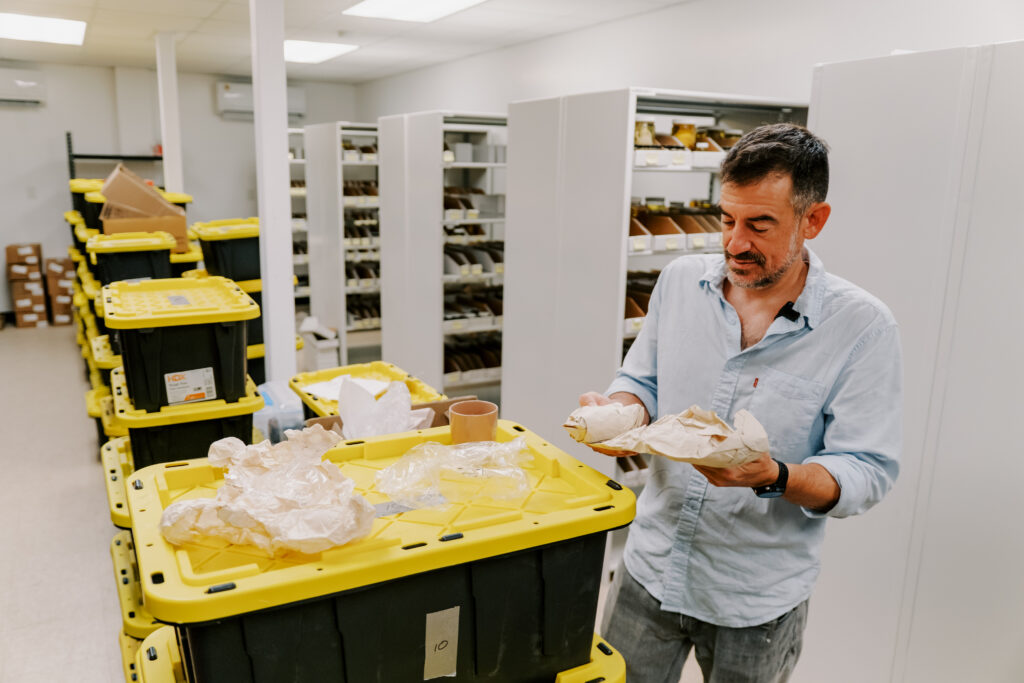
A retired shell enthusiast recently donated thousands of shells to the Guam NSF EPSCoR Biorepository, many of which were collected on Guam during the 1960s, to be added to its historical collection.
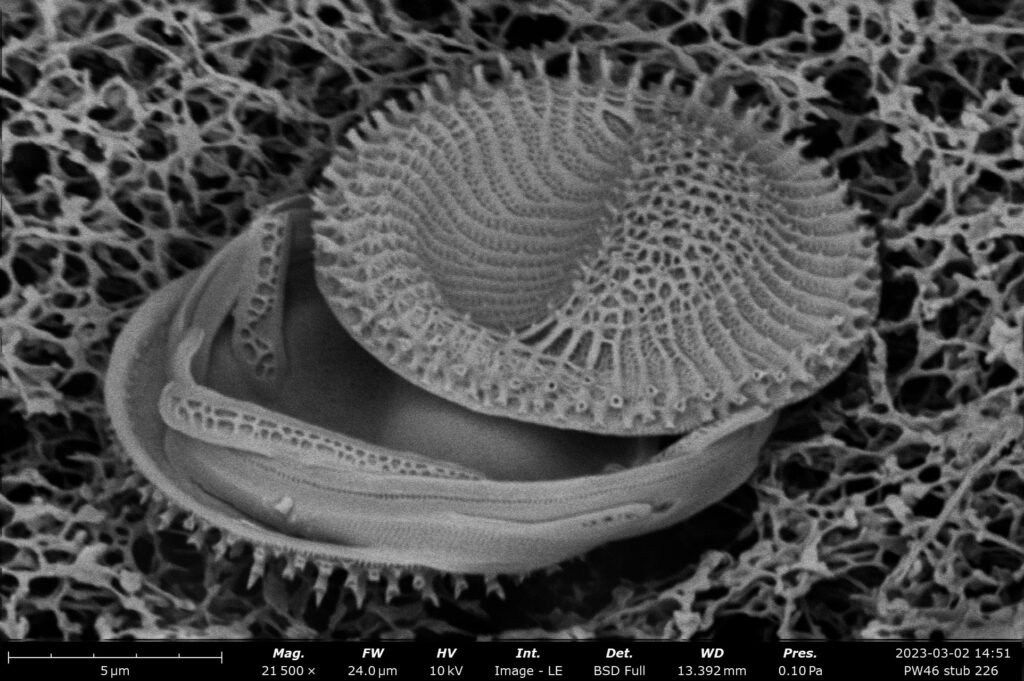
In 2024, Guam NSF EPSCoR senior researcher Christopher Lobban, Ph.D., received an award from the Japanese Society of Diatomology for his paper “Disymmetria reticulata, gen. nov., sp. nov. (Mediophyceae: Thalassiosirales), a new genus in Lauderiaceae emend., and transfer of Lauderia excentrica.” Lobban, a UOG professor emeritus of biology, is the
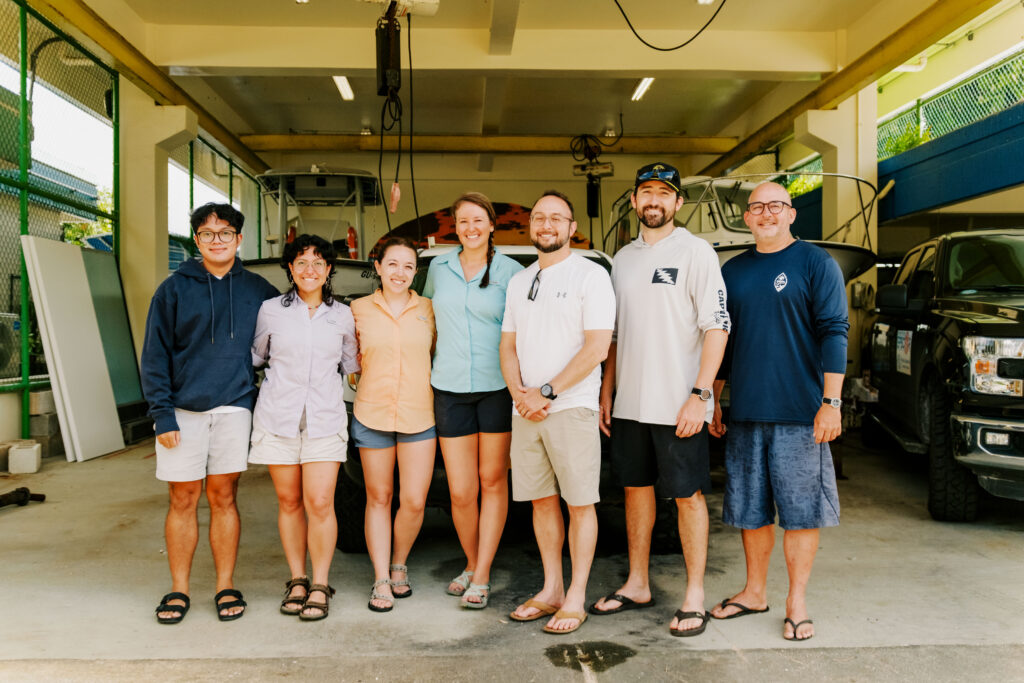
In April 2025, the University of Guam welcomed visiting researchers as part of an ongoing collaboration on the development of a new research instrument that can be used to assess the bleaching risk of different types of coral.
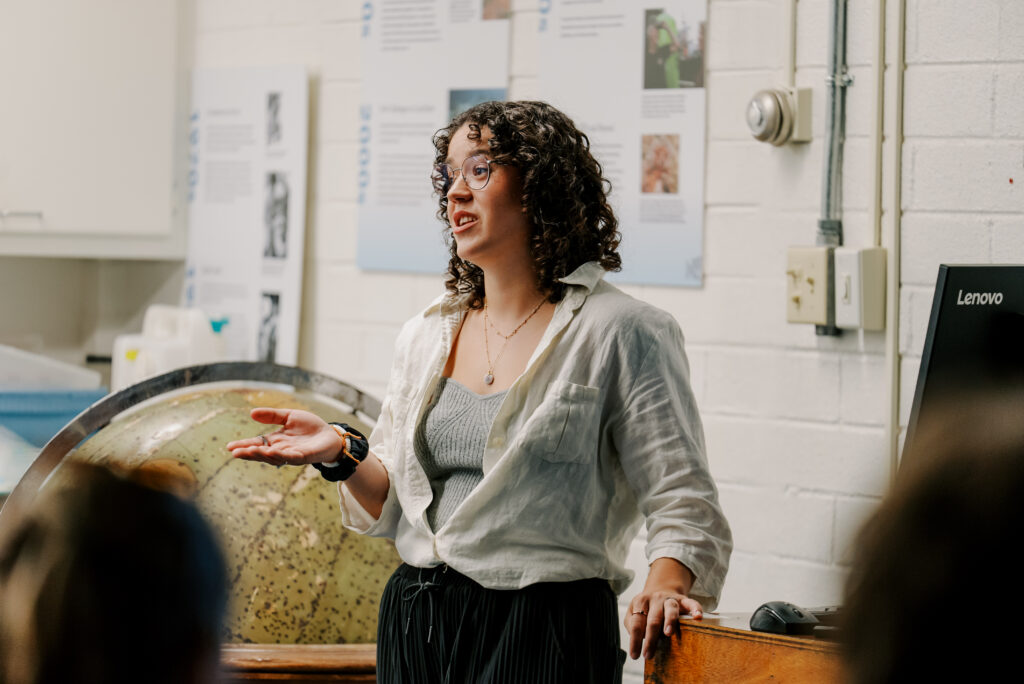
University of Guam NSF EPSCoR Graduate Research Assistant Lauren Kallen defended her Master’s thesis—a research project that represents the first study of its kind on Guam, focusing on understanding the population dynamics of Drupella fragum, a sea snail that feeds on coral tissue and can be found on shallow reef

The University of Guam NSF EPSCoR GECCO Biorepository has partnered with the Department of Invertebrate Zoology at the National Museum of Natural History, Smithsonian Institution, Washington, D.C., for the DNA sequencing of marine organisms.