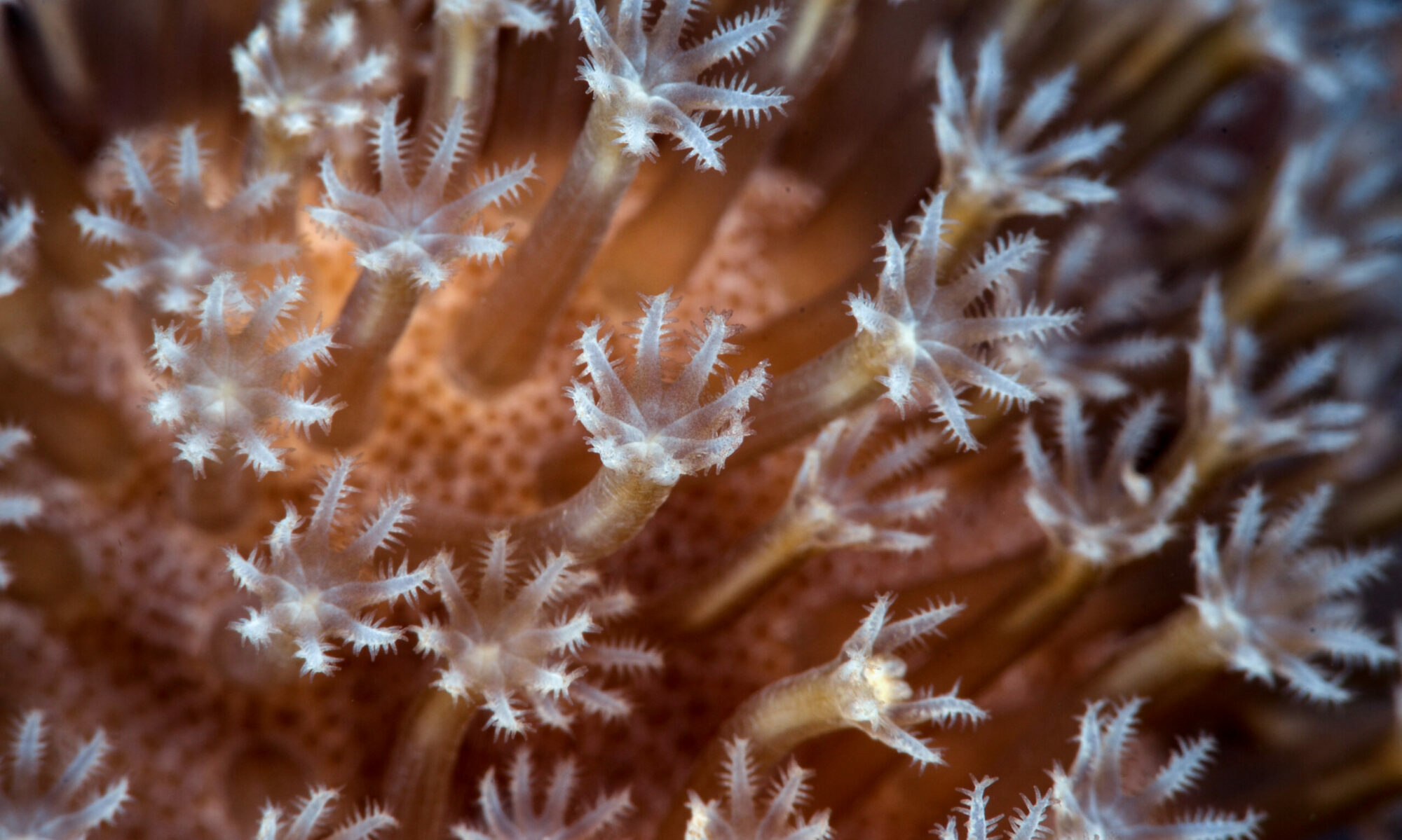

Category: Research
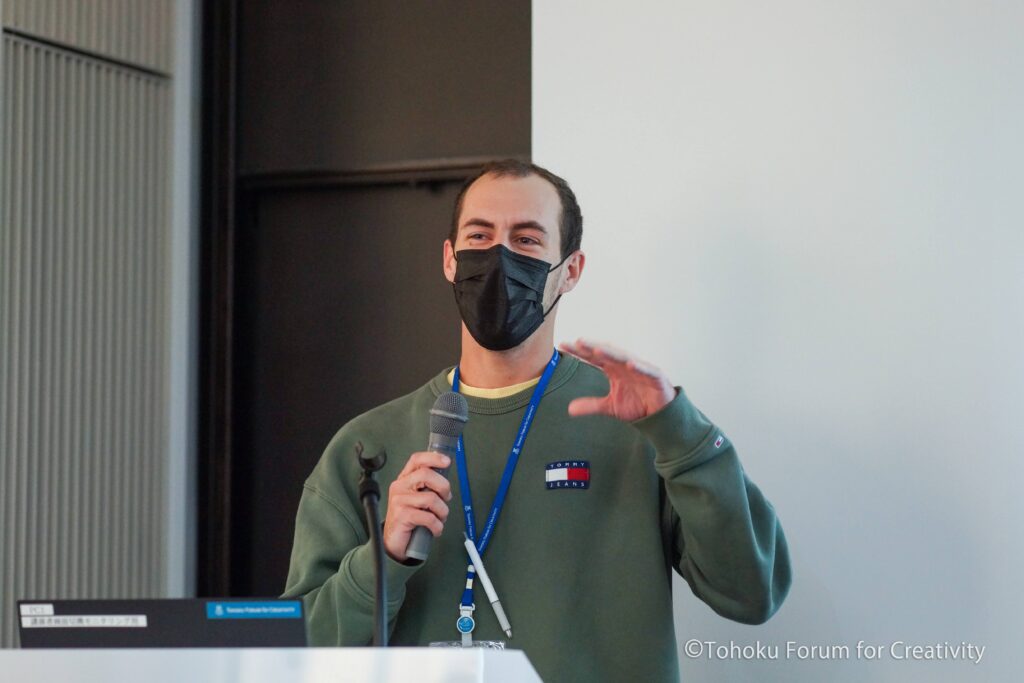
Guam NSF EPSCoR Graduate Research Assistant Colin Anthony is a Special Research Student in the Graduate School of Agricultural Studies at Tohoku University in Sendai, Japan. As a Special Research Student, Anthony is receiving mentorship from Cheryl Ames, Ph.D., a leading expert in marine biology whose research focuses on jellyfish
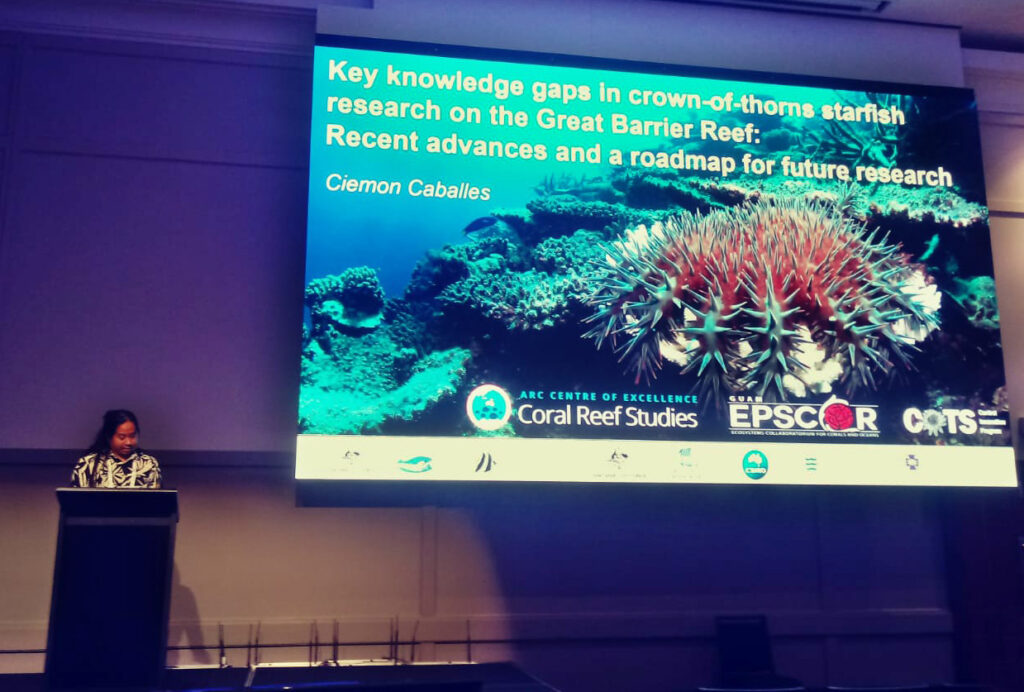
UOG Senior Research Associate Ciemon Caballes delivered the keynote address at the “The Biology, Ecology, and Management of Marine Nuisance Species” symposium at the 58th Annual Conference of the Australian Marine Sciences Association (AMSA) in Cairns, Australia. Caballes talked about key knowledge gaps in crown-of-thorns starfish (COTS) research as well

University of Guam Assistant Professor Sarah Lemer collects a coral sample from the caldera of the Maug Islands in May. She is part of a University of Guam Marine Lab research team conducting a first-time study on the genetics of corals from the Northern Mariana Islands of Sarigan, Pagan, and
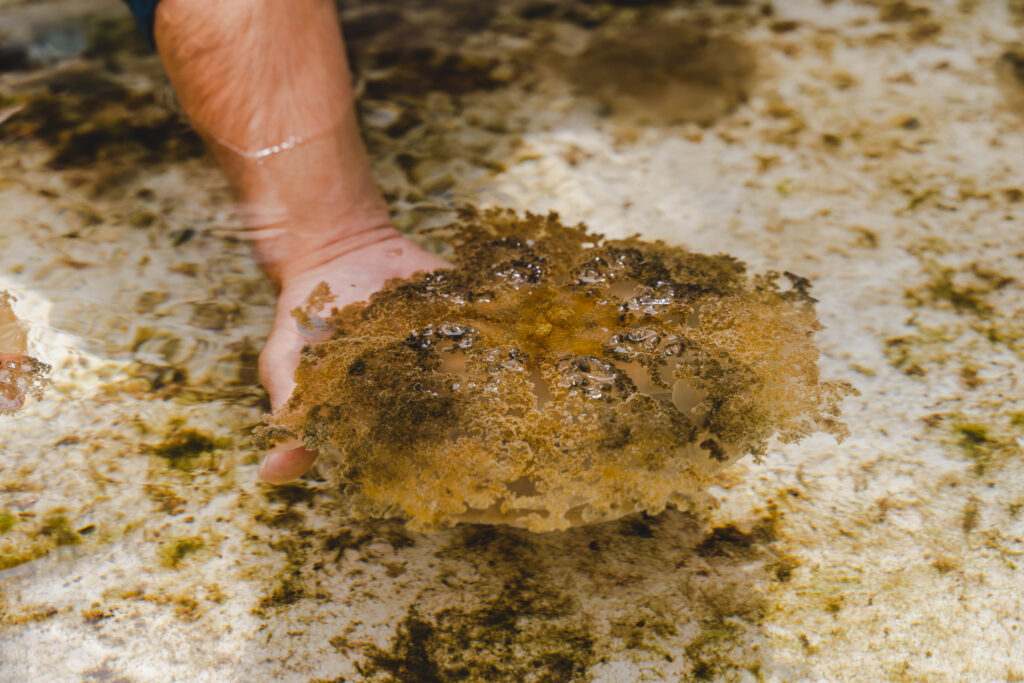
A new study by University of Guam researchers has found that differences in upside-down jellyfish populations found in Guam waters may be environmentally driven. The study, which was funded by the university’s National Science Foundation EPSCoR grant, was published in May in Zoomorphology, a peer-reviewed journal that focuses on the
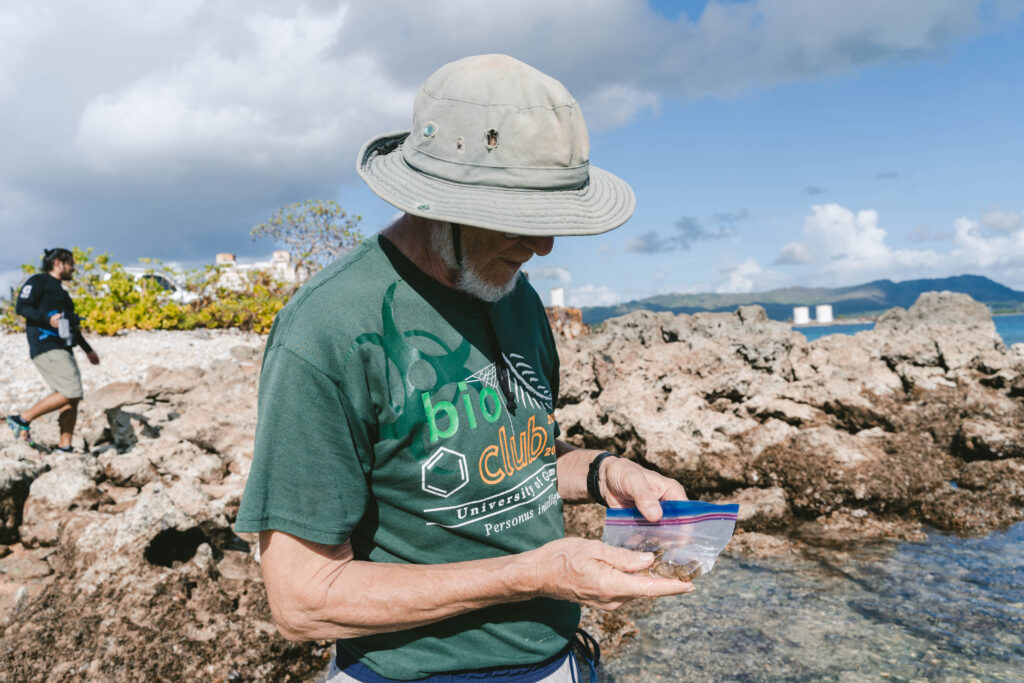
Previous Next In June, participants of the Micronesia Summer Bridge to Bachelor’s Program from the Commonwealth of the Northern Mariana Islands and Palau started their internship experience on island by gathering diatom and algae samples in several mangrove and coastal sites on Guam. The program contributes to an ongoing diatom
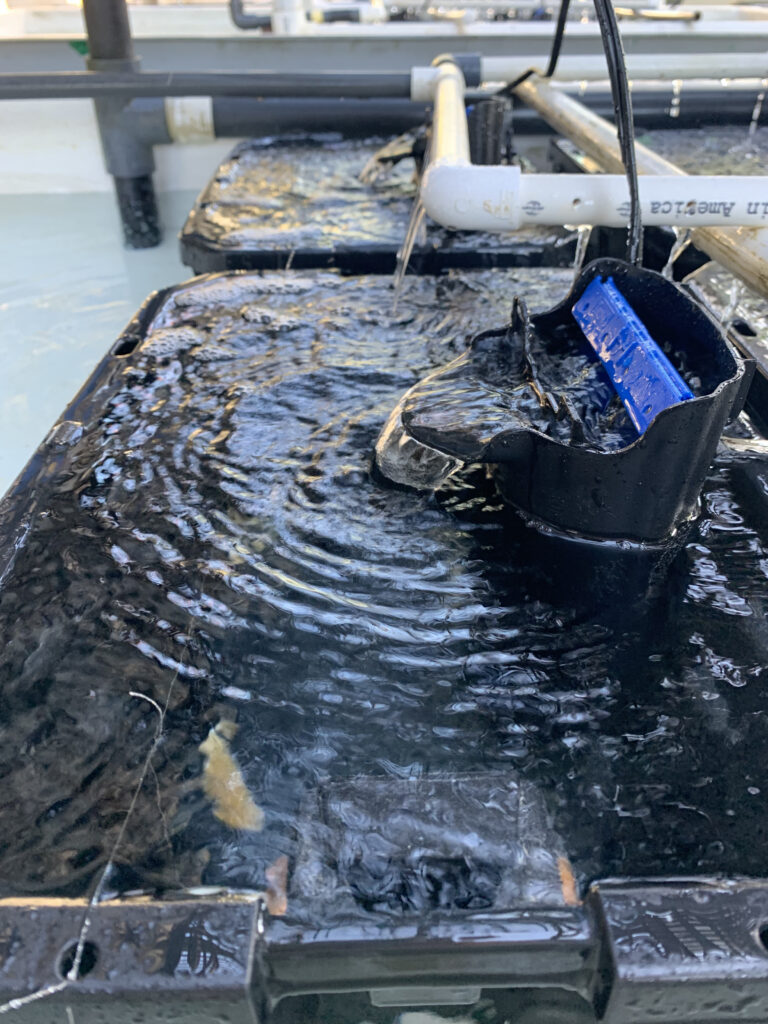
The coral samples were exposed to varying levels of ammonium and will monitor how the corals respond over time. Ammonium is a chemical form of nitrogen that can be present in marine ecosystems. Fisher and Dodds collected samples of staghorn coral from West Agana and the Luminao Reef in Santa