
Category: Research

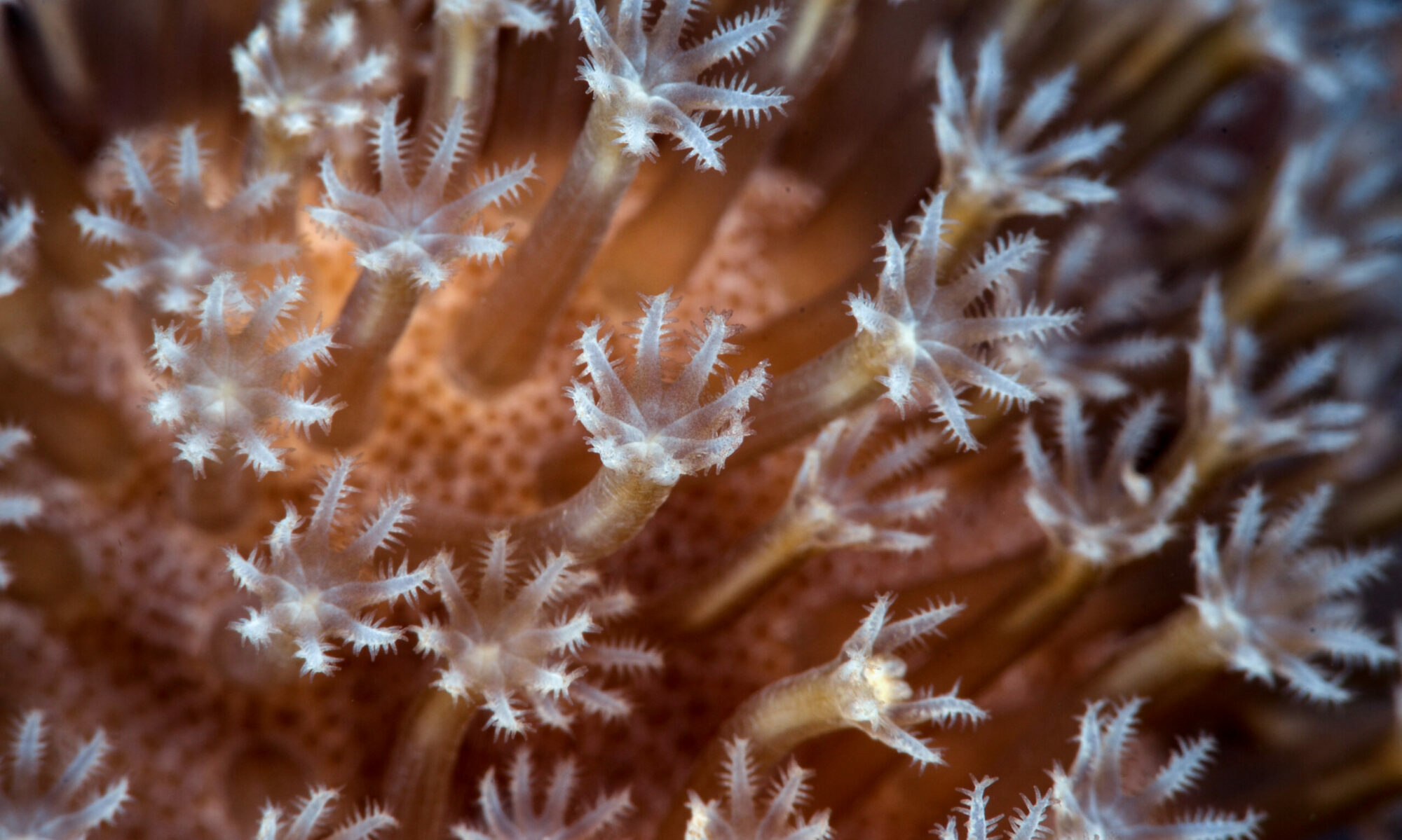
UOG alumnus Jordan Gault wrote “Lineage-specific variation in the evolutionary stability of coral photosymbiosis,” which was published in September 2021 by the journal Science Advances. A study by University of Guam researchers has examined the evolutionary stability of photosymbiosis in scleractinian corals. The study, which was funded by the university’s National

A report that brought together researchers all over the United States highlights the need to address gaps in data recording to improve biological diversity monitoring across the globe. Justin Berg, a University of Guam EPSCoR graduate research assistant, collaborated with other researchers to produce the paper, “Poor data stewardship will hinder global genetic diversity surveillance.” PNAS published the brief report in July this year. For the study, the researchers

In an effort to manage and conserve diadromous fish, snails, and shrimp that are native to rivers in Guam and the Marianas, a researcher from the University of Guam will be working over the next four years to collect and genetically analyze species found in the region’s watersheds. Diadromous animals

To ensure the long-term accessibility of the diatom collection, UOG Professor Emeritus of Biology Christopher Lobban acquired archival paper, special adhesives, and custom templates to catalog 3,000 existing slides and label new ones. UOG Professor Emeritus of Biology Christopher Lobban started cataloging diatoms found in the Marianas in 1988 as

Previous Next As the planet experiences heatwaves, warming seas, and other effects of climate change, researchers from the University of Guam (UOG) will examine how these impacts may affect the structure of the island’s coral reefs by identifying species-specific responses to environmental change. The experiment, which is being funded by

TAGGED: Specimens are photographed in the biorepository and their information is uploaded to the facility’s website. The Guam EPSCoR Guam Ecosystems Collaboratorium (GEC) Biorepository is welcoming its largest addition yet – a private collection of around 30,000 coral specimens from University of Guam Professor Emeritus of Marine Biology Richard Randall.