
Leaders and representatives from Green Growth movements across Micronesia and Hawaiʻi share insights and initiatives during a Green Growth Gathering at the 17th University of Guam Conference on Island Sustainability (CIS2026).
At the 17th University of Guam Conference on Island Sustainability (CIS2026), leaders and representatives from across Micronesia and Hawaiʻi gathered for a Green Growth session sharing the progress, partnerships, and shared vision driving sustainability efforts across island communities. The discussion illustrated how these initiatives are advancing solutions rooted in both traditional knowledge and modern innovation.
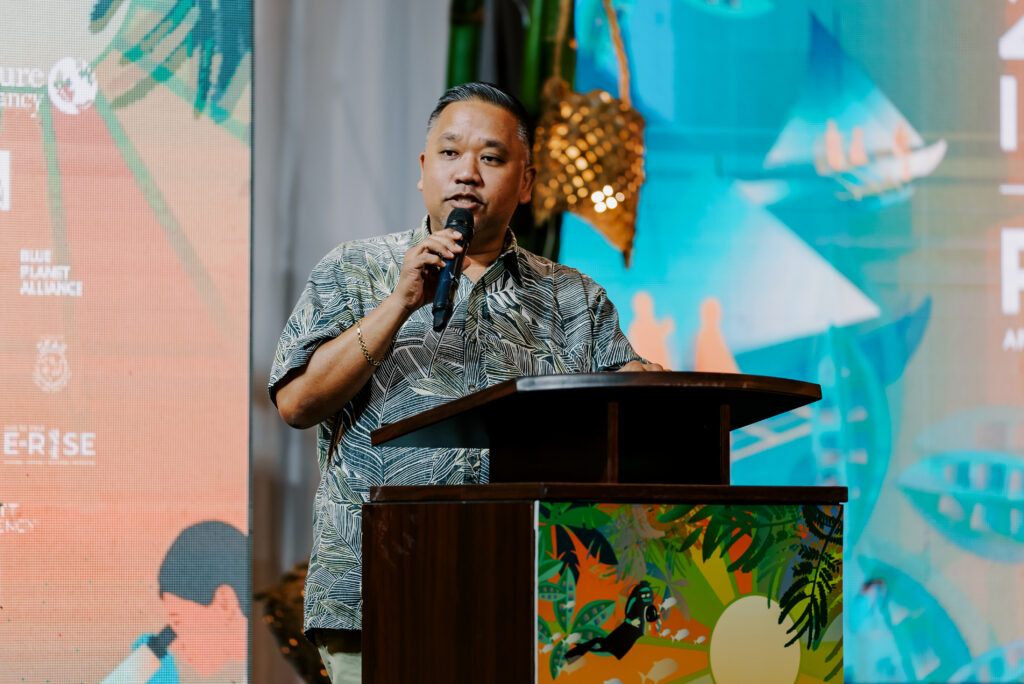
Opening the session, Austin Shelton, Ph.D., director of the UOG Center for Island Sustainability and Sea Grant, spoke about the regional roots of the initiative, Shelton noted, “Green Growth was actually inspired by something else from our region, and that was the Micronesia Challenge,” adding that the movement has now “looped back around full circle to us in Guam.” He also described the simplicity behind its broader mission: “Sustainability is living on our islands like we intend to stay here.”
Representing the CNMI, Angel Demapan, deputy assistant secretary for Insular and International Affairs, spoke about resilience in the wake of the recent super typhoon and the importance of regional solidarity. “Events like this remind us of a simple reality. Island communities must be prepared, must be resilient, and must be equipped to recover quickly,” he said. Demapan pointed to key priorities, including affordable and dependable energy, which he said is the “backbone of economic growth” and that “food security is national security, especially for fragile island communities like ours,” while also expressing gratitude to Guam for its continued support following typhoon impacts.
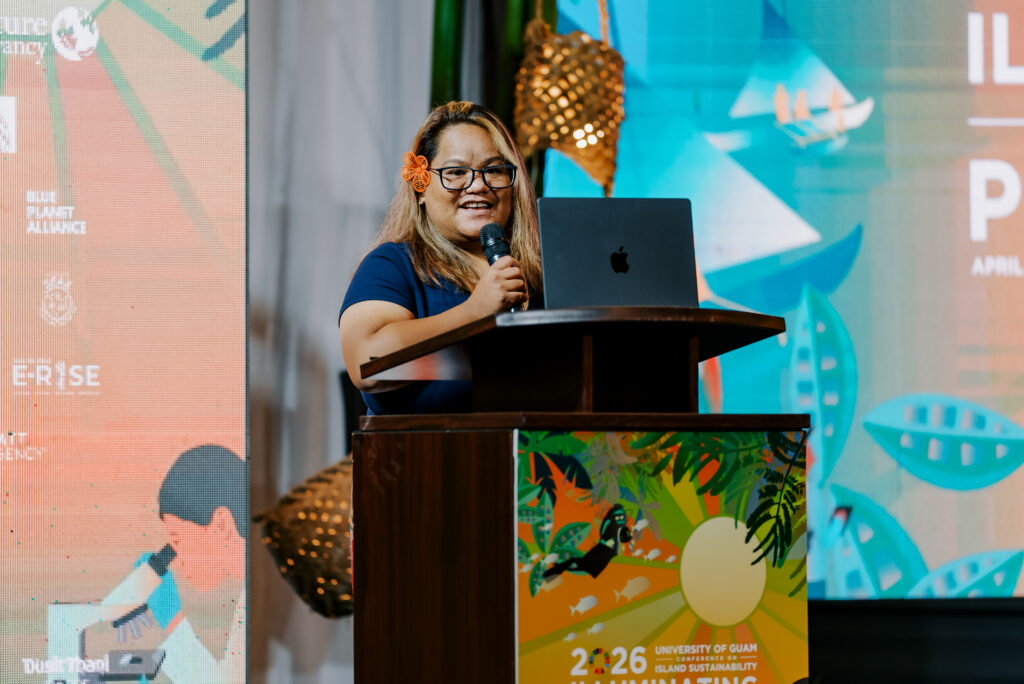
From the Republic of the Marshall Islands, Mylast Bilimon, Ph.D., chairperson of the RMI Green Growth Initiative, shared the nation’s progress since committing to the movement at the previous year’s conference. “Last year, during the 16th UOG Conference on Island Sustainability, our president Hilda Heine… signed the Blue Planet Climate Agreement,” she said, which commited the country to “reach 100 percent renewable energy by 2045.”
Bilimon described the RMI’s integrated approach: “This initiative takes a whole of an island approach. It recognizes that sustainability is not just one sector. It’s everything. It’s environmental, economic, and social all working together.” She added that this approach reflects long-standing practices rooted in frameworks such as Raimalok, a community-driven conservation model that blends traditional knowledge with modern planning and centers on intergenerational responsibility. “Sustainability is not new to us. It has always been a part of how we live.”
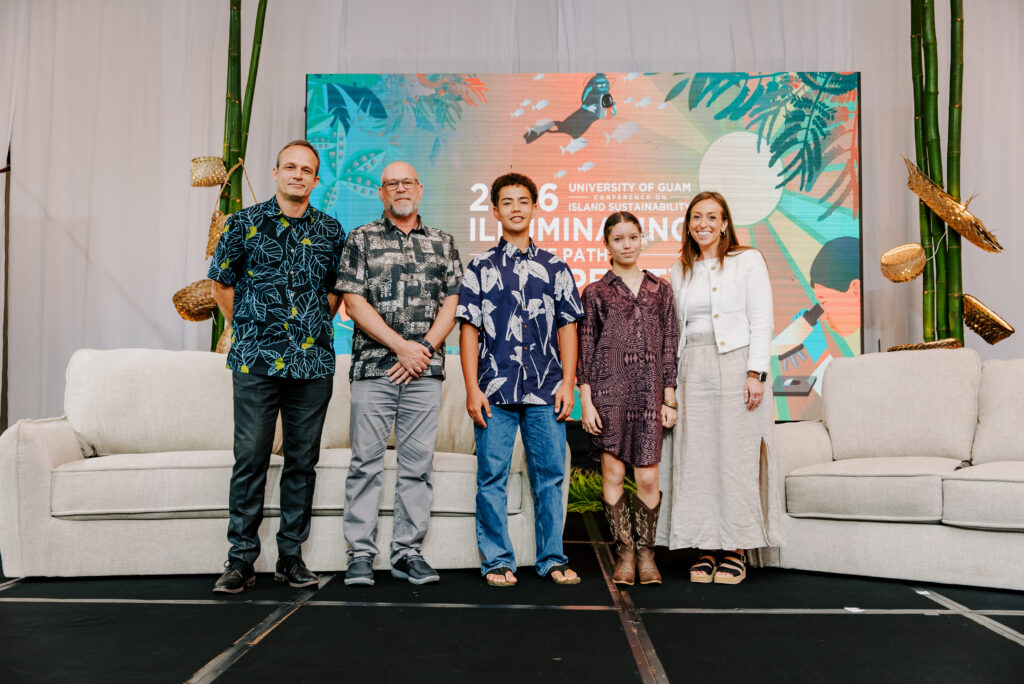
Hawaiʻi, one of the pioneers of the movement, shared its continued leadership through the Hawaii Green Growth network. Network Director Samantha Happ opened by recognizing youth leadership, noting that a chant performed by members of the Hawaiʻi SDG Youth Counci to open the session had been shared on a global stage. “It’s a chant of localization that really grounds the place names and values that they have taken with them to the highest floors of decision making,” she said, connecting cultural identity to sustainability efforts.
Supporting the perspective of the previous Green Growth speakers, Happ said that sustainability is deeply embedded in island life: “There’s no word in Hawaiʻi…in the Hawaiian language, for sustainability… that’s just part of our daily life. It is taking care of the ocean, to take care of the land, to take care of that which sustains us.”
She also pointed to measurable progress and accountability through the Aloha+ Challenge, noting Hawaiʻi’s leadership in reporting. “We are the only state to have submitted its third voluntary local review… we’re reporting our progress, we’re finding out the gaps are and what’s working.” Happ described the initiative’s “collective impact approach,” explaining that “it takes more than one sector and more than one approach… and it requires adaptive problem solving,” while also sharing new efforts such as green stormwater infrastructure, wildfire mitigation partnerships, and the launch of a new strategic plan that includes “pathways for action” and an Aloha+ fund to support community-driven projects.
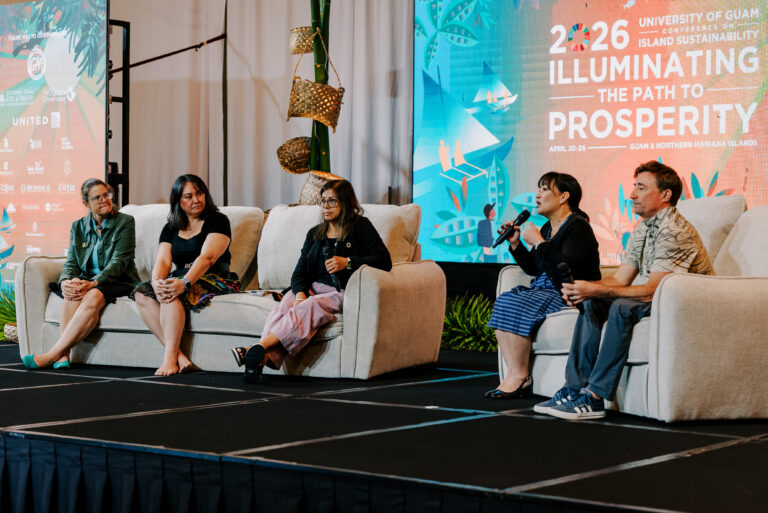
The Guam Green Growth panel further grounded the discussion in community-based action, featuring representatives from across sectors including aquaculture, finance, circular economy, and healthcare. Panelist Elizabeth Lubuag, sustainability and social impact manager with Bank of Guam framed prosperity through economic resilience: “We envision a prosperous island community where people follow their dreams and live life without financial worries… for me, it is a lot about financial resilience and being able to support ourselves through any weather.”
From the UOG Center for Island Sustainability and Sea Grant, aquaculture specialist David Crisostomo discussed food security and self-sufficiency, noting, “If you had a lot of food in your house, you were more prosperous than most people… I kind of lean a little bit more away from the wealth of land and money and more to the wealth of being able to survive and support a healthy family, a healthy community.”
G3 Circular Economy Coordinator Abby Crain focused on innovation and skills-building at the community level: “We are really teaching people that you can make things from trash… using what we have and turning that mentality of what waste is into a resource.” Meanwhile, Ashley Calvo-Rodriguez, clinic administrator with Todu Guam spoke about the role of health in sustainability: “If we’re not healthy, if our community is not healthy, then how are we going to prosper?”
Rodriguez also reflected on the growth of community healthcare initiatives, noting, “Our goal is to provide preventive care for everyone so that you’re not going to the ER as often… and you’re able to take care of your health before it gets too serious.” Crisostomo pointed to future possibilities in aquaculture, adding that Guam’s ocean resources represent “such a tremendous resource that we have not tapped,” emphasizing the importance of doing so sustainably.
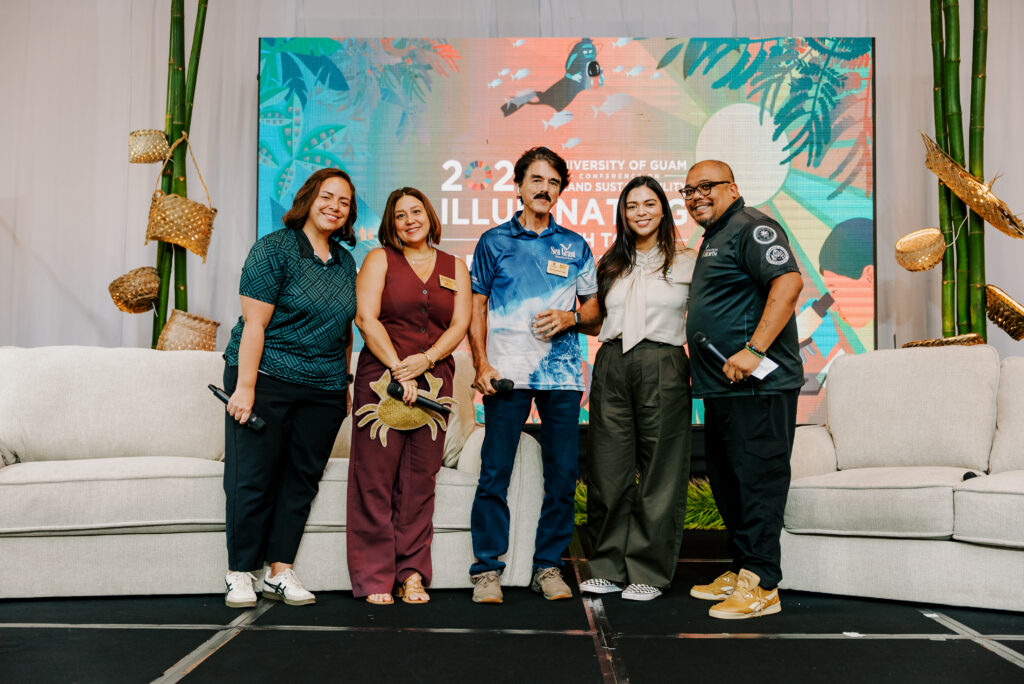
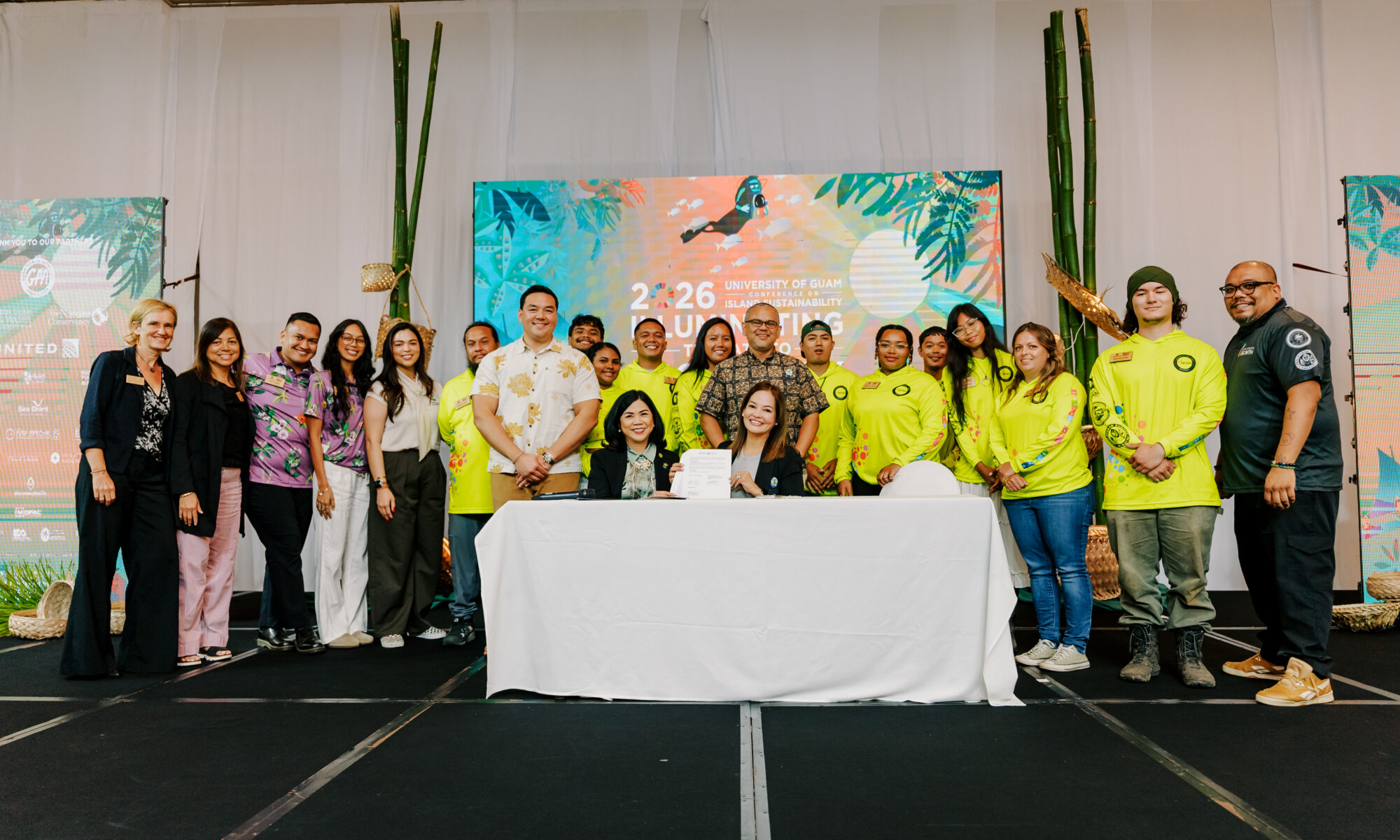
The session concluded with a milestone moment for Guam’s Green Growth movement, as organizers announced a new partnership with the Todu Guam Foundation. “We like to call it our island’s largest public-private partnership ever created to achieve a sustainable future,” Shelton said, referring to Guam Green Growth. The memorandum of agreement formalized collaboration between G3 and the healthcare nonprofit, reinforcing a central theme echoed throughout the gathering: that sustainability in island communities also depends on collective action and partnerships.